gx / George Xue

A personal field notebook

George
Xue.

Robot learning researcher.
Fishing enthusiast.

View CVPDF
And sometimes,
out fishing.
SELECTED RESEARCH 05 PROJECTS
A line
of research.
Explore the work ↓

Click a float to jump into the research. ↓

I’m George Xue, studying Engineering Science and Machine Intelligence at the University of Toronto. I’m broadly interested in robot learning: how robots learn from experience and generalize to new tasks and environments. My current projects explore several parts of this broader goal. Outside research, I enjoy fishing.

↓

Research,
in progress.

Representations → memory → action
Five projects in robot learning

Follow a float to its project, or scroll through all five.

01—05 / All research
01

Latent world modeling

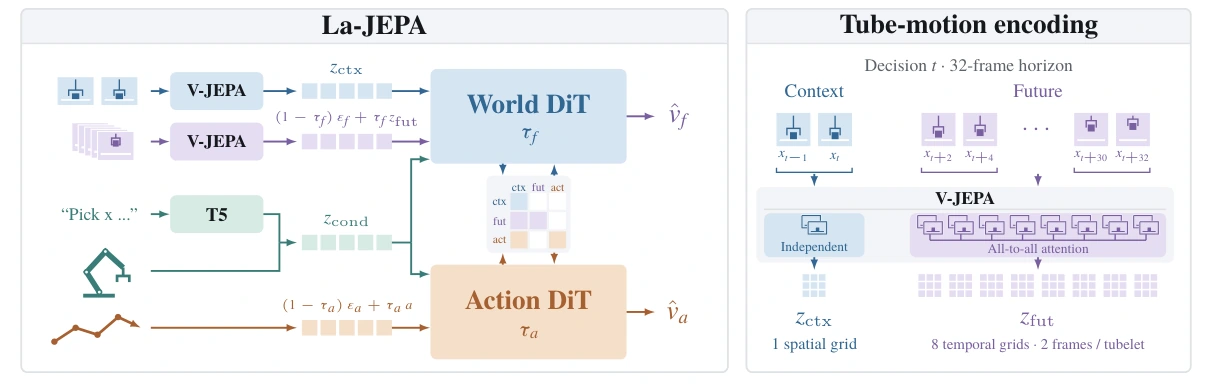
La-JEPA

Compact Robot Policies with Latent World Modeling

Compact robot policies trained in a pretrained JEPA feature space, learning actions and future features jointly while predicting only actions at deployment.

Under review

La-JEPA architecture with JEPA visual features, a World DiT, an Action DiT, and tube-motion encoding.
Figure 2 · La-JEPA architecture
02

Efficient robot policies

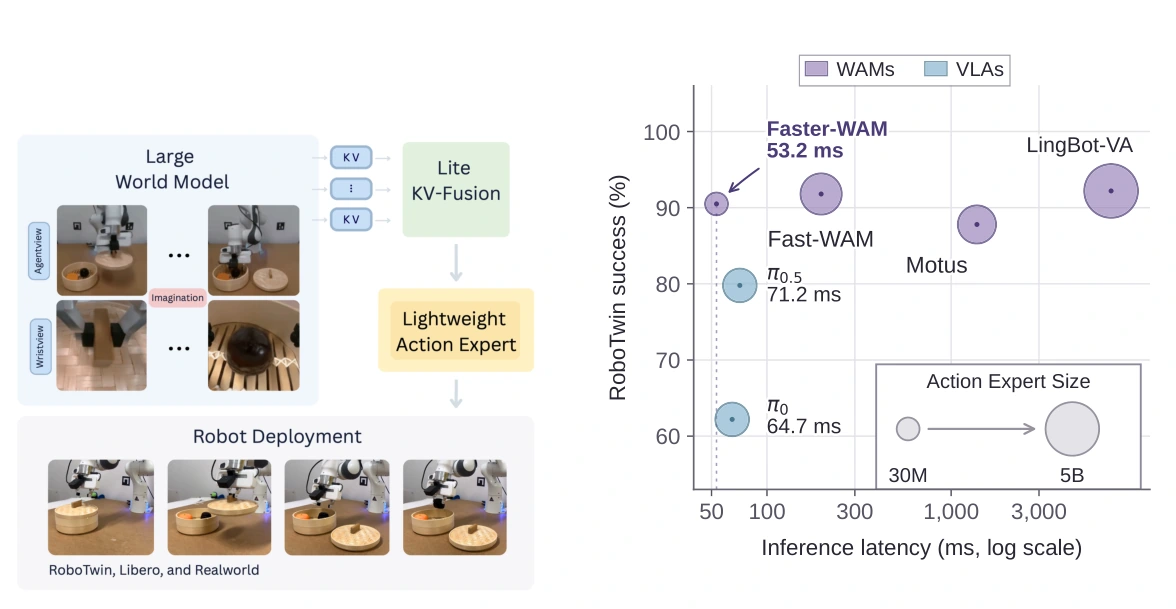
Faster-WAM

Do World Action Models Need Deep Action Modules?

A world-model-centric robot policy that connects a single-layer action expert to a pretrained video backbone, reducing action-specific computation while retaining control performance.

Under review

Faster-WAM architecture and task success versus inference latency.
Figure 1 · Architecture and efficiency trade-off
03

Memory & evaluation

Decodable Cues, Unreliable Execution

Diagnosing TTT Memory in World–Action Models

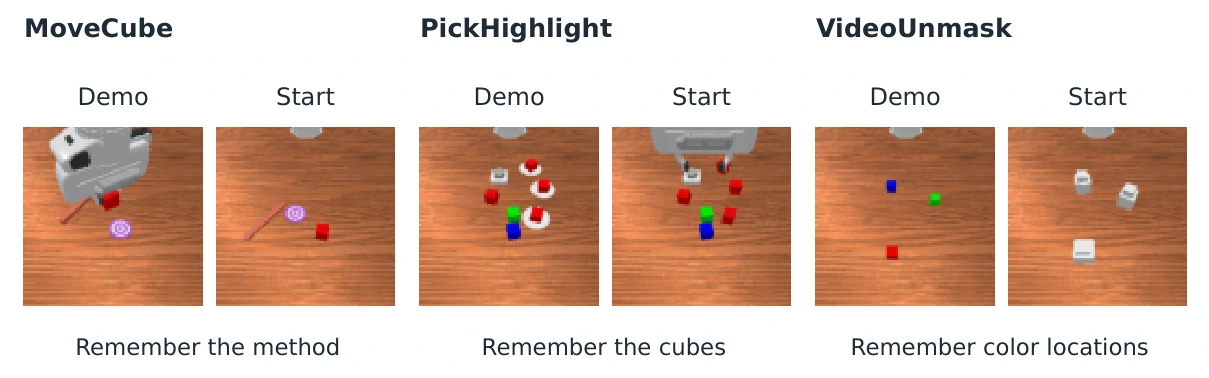
A diagnostic study separating what robot memory stores, whether it changes behavior, and whether it improves task execution.

CoRL 2026 Memory Workshop · Submitted

Demonstration and starting observations for MoveCube, PickHighlight, and VideoUnmask.
Figure 2 · Memory-dependent manipulation tasks
04

Agentic aerial robotics

Agentic Aerial Cinematography

From Dialogue Cues to Cinematic Trajectories

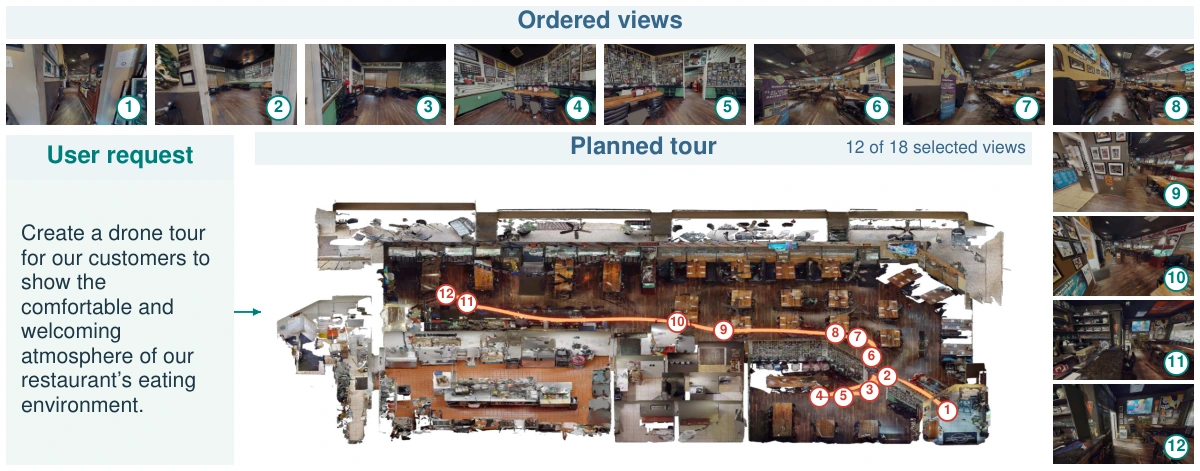
An agentic framework that translates natural-language filming requests into scene-grounded viewpoints and executable drone trajectories, combining visual feedback with optimization and motion planning.

CoRL 2026 Agentic Robotics Workshop · Accepted

Equal-contributing author · Listed as George Z. Xue

ACDC scene-grounded viewpoints and planned drone trajectory through a reconstructed scene.
Figure 1 · Language-guided flight planning
05

Preference-based learning

Preferenced Eureka

Learning from language and visual feedback

Preference-based reinforcement learning with language and visual feedback: connecting language task specifications, automated LLM/VLM preferences over rollout videos, reward models, and PyTorch training.
Researcher · LEAF Lab

Shadow Hand continuously spinning a pen in the original Eureka project demonstration.
Pen spinning from the original Eureka project · Ma et al., 2023 · Watch source

02 / Beyond the research

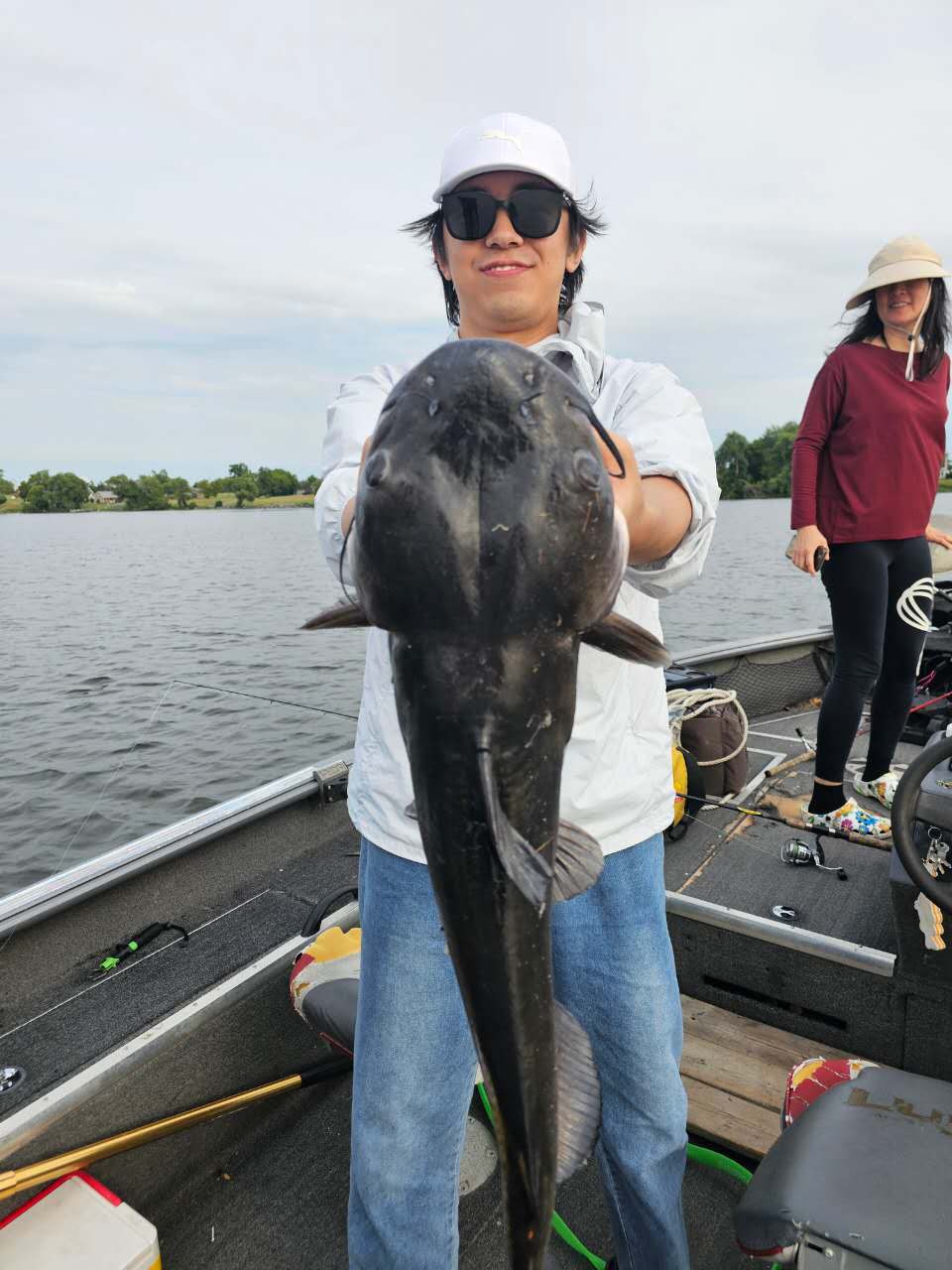
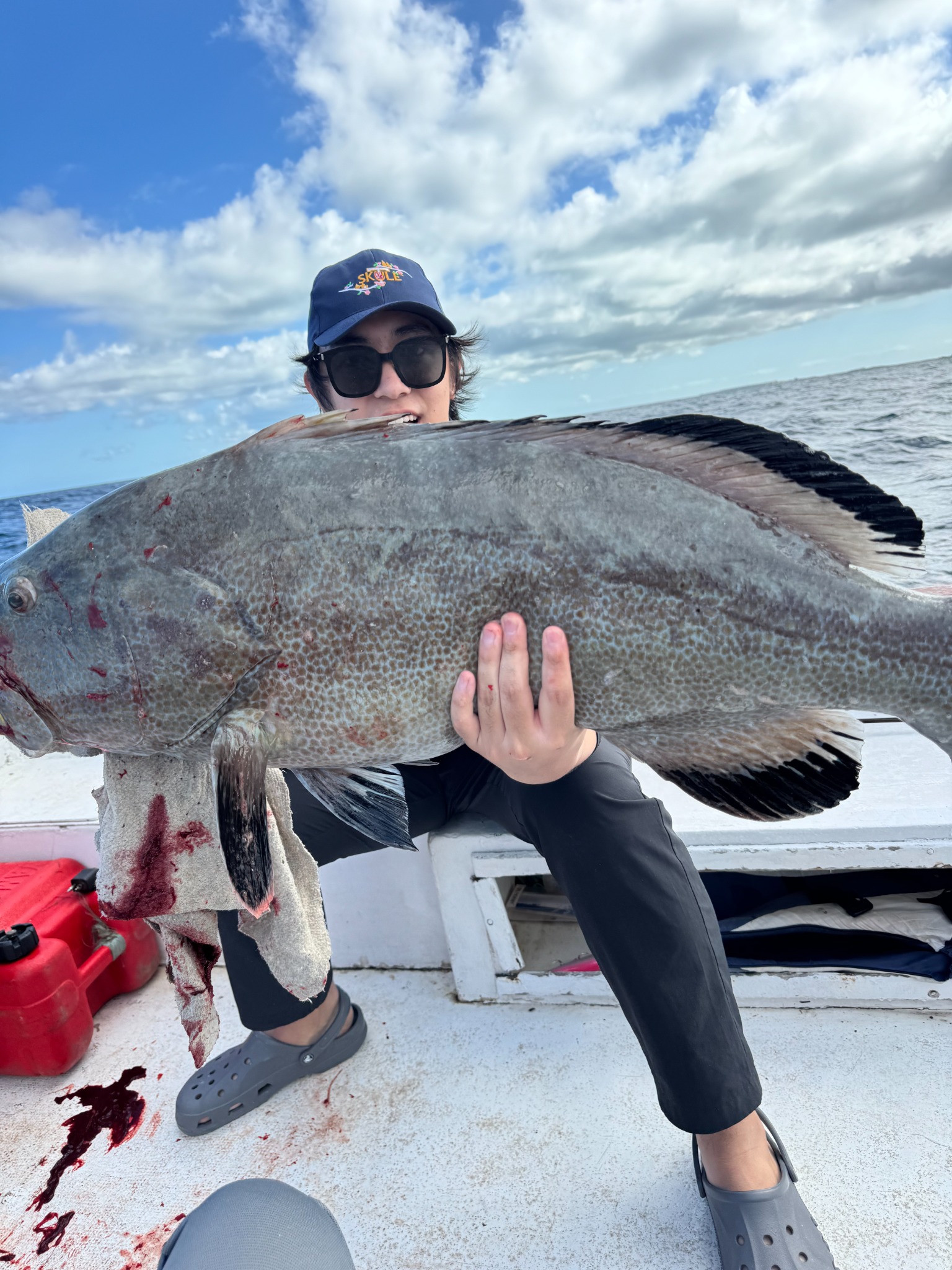
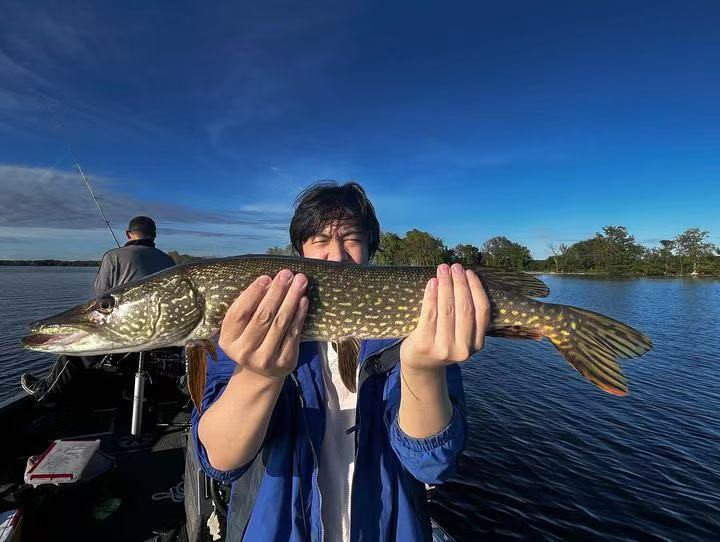
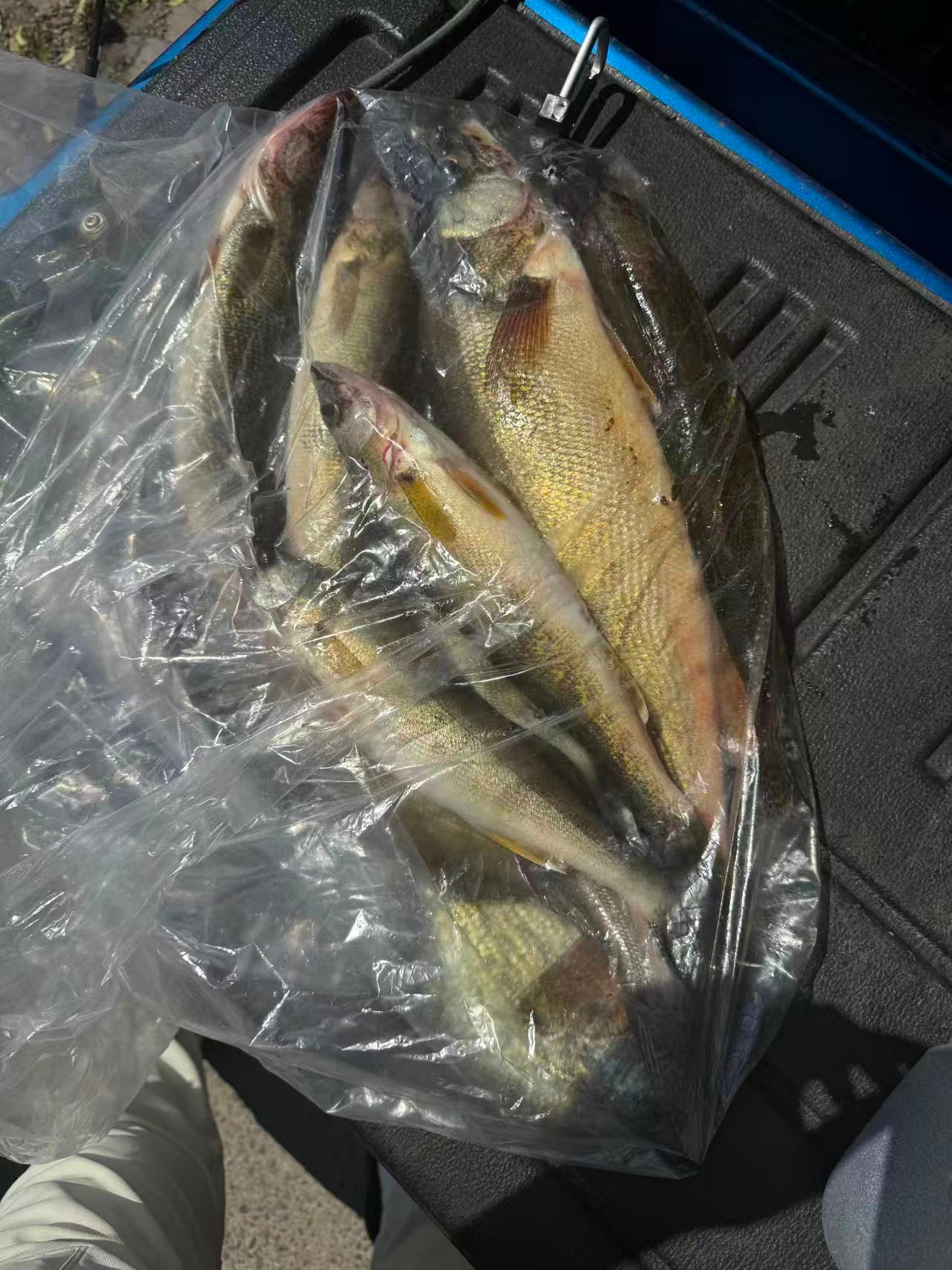
Fishes.

Outside of research,
I enjoy fishing.

A little more context

People, places,
and everything between.

University of Toronto

Engineering Science
Machine Intelligence

LEAF Lab

University of Toronto
Robotics Institute

Huawei

Research Intern
Apr 2026–Present